by WebMaster | Sep 8, 2022
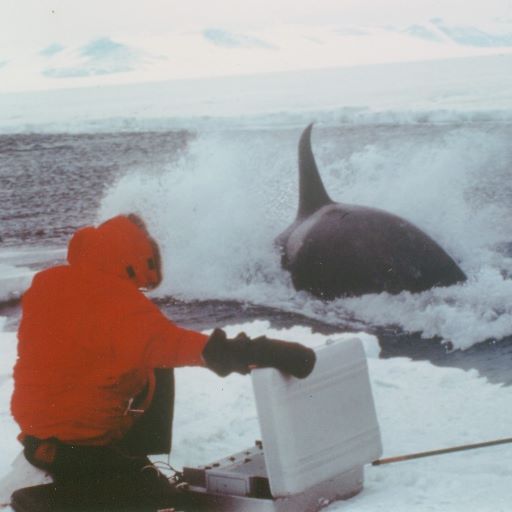
HSWRI researchers at the McMurdo Station recorded Antarctic killer whale calls for the first time. Killer whale vocalization is still studied today and has been a topic of several HSWRI’s research initiatives – just check out 1984! Read...
by WebMaster | Sep 8, 2022
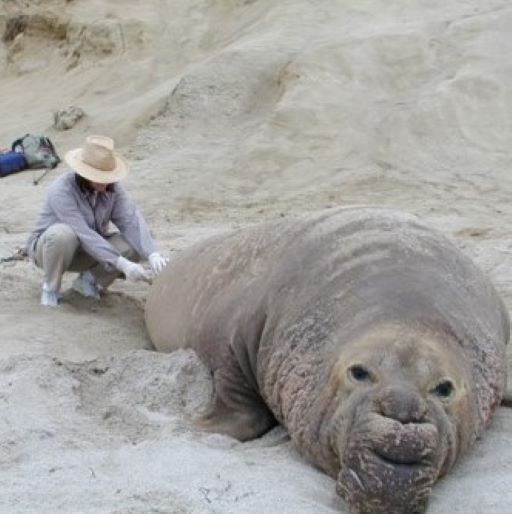
Elephant seals are considered sentinel species, meaning they can detect risks to humans and provide warning of danger. By tracking the population of elephant seals in the California Channel Islands through population surveys from 1958 to 1978, we can measure how...
by WebMaster | Sep 8, 2022
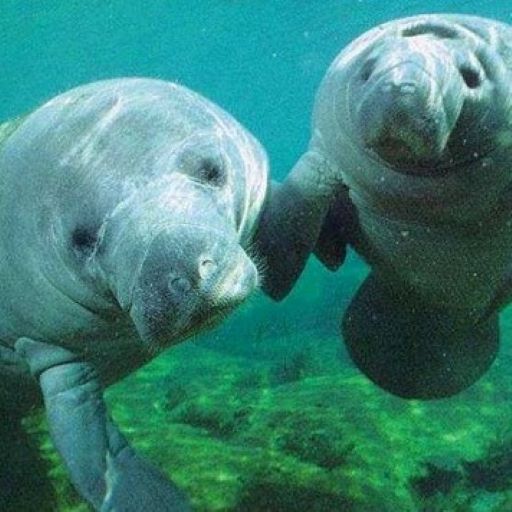
A survey conducted in eastern Florida’s Indian River Lagoon system showed 90% fewer manatees and dolphins than previously claimed. These counts provide a baseline for future surveys as we continue to track the impact of environmental degradation in the Indian River...
by WebMaster | Sep 8, 2022
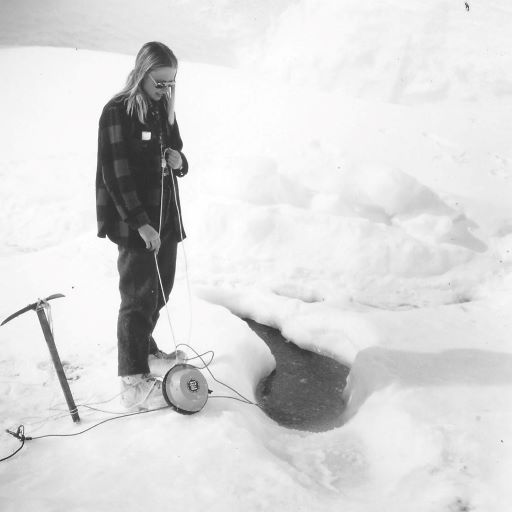
HSWRI researchers first recorded bowhead whales’ vocalizations during whale surveys in Alaska. Whale songs like these were an inspiration for the Save the Whales campaigns of the 1970s, which eventually banned commercial whaling. Read...
by WebMaster | Sep 8, 2022
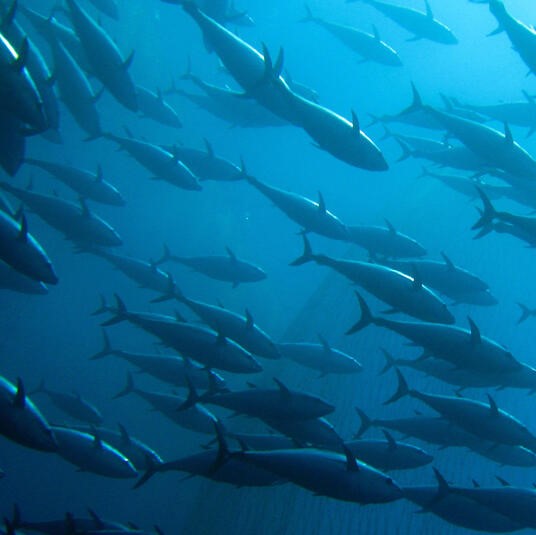
In the first research project ever conducted by the Institute, we worked with the California Department of Fish & Game to tag albacore and bluefin tuna along the California coast. This 10-year research was the first time these fish had been tagged for tracking in...